
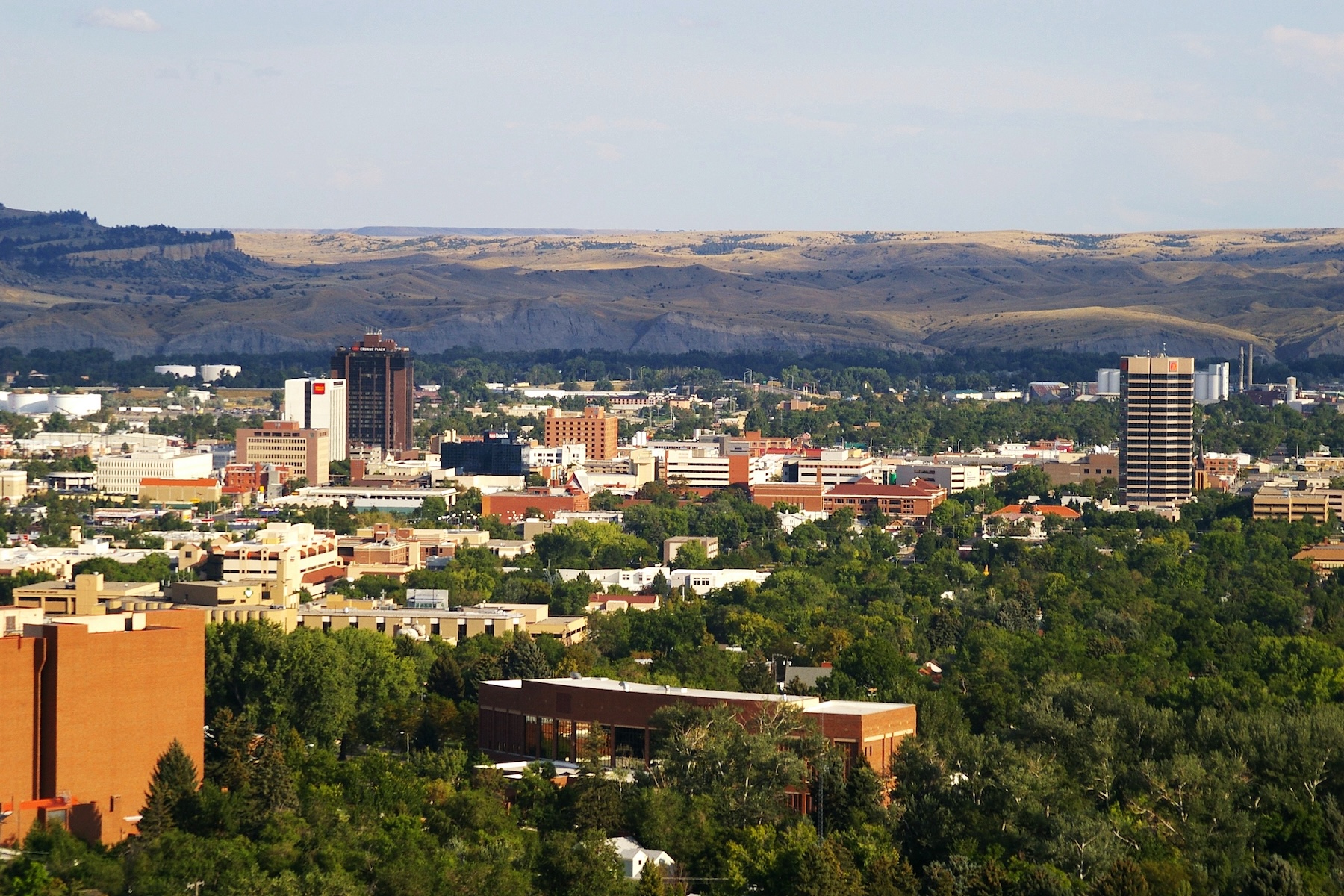
Activating the Civic Immune System
When hate moved into Billings, Montana, the citizens didn't wait for the authorities to fix it—they turned their entire town into a shield.
How can a nation pursue development without sacrificing happiness, culture, and nature?
In most of the world, a country’s success is judged by a single number: Gross Domestic Product (GDP). But in the Himalayan Kingdom of Bhutan, the “operating system” of the state is built on a different premise.
In the 1970s, the Fourth King of Bhutan, Jigme Singye Wangchuck, famously declared that “Gross National Happiness is more important than Gross Domestic Product.” What began as a philosophical stance has since evolved into a rigorous, data-driven governance framework. Today, as of 2026, Bhutan is transitioning into a “High-Income GNH Economy,” attempting the ultimate balancing act: modernizing a developing nation while keeping its soul, its forests, and its happiness intact.
Traditional economic metrics like GDP measure the throughput of an economy—the total value of goods and services exchanged. However, GDP is famously “indifferent” to the quality of life. From a purely GDP perspective:
A massive forest fire is “good” for the economy because it creates jobs in firefighting and timber replacement.
Increased stress and illness are “good” because they drive healthcare spending.
The breakdown of families is “neutral” as long as people continue to consume.
Bhutan’s leadership recognized that for a small, landlocked nation with a fragile mountain ecosystem, chasing GDP at any cost would lead to the destruction of their two greatest assets: their pristine environment and their unique cultural identity. They needed a system that viewed development not as a race to the top of a spreadsheet, but as a journey toward collective balance.
GNH is not a vague feeling; it is a measurable, legal, and institutional framework. It breaks “happiness” down into four pillars and nine domains, which are tracked through 33 specific indicators.
Every few years, the Centre for Bhutan & GNH Studies (CBS) conducts an exhaustive national survey. Unlike standard polls, this survey asks citizens about:
Time Use: Do you have enough time for sleep and leisure? (Bhutan values “Time Balance” as a core asset).
Psychological Well-being: Frequency of positive vs. negative emotions and spiritual practices.
Community Vitality: Levels of trust among neighbors and frequency of volunteering.
Cultural Resilience: Fluency in native languages and participation in traditional festivals.
This is the “gatekeeper” of Bhutanese law. Before any new policy is passed—whether it’s a new mining permit or a change in the school curriculum—it must pass through the GNH Policy Screening Tool.
A committee of experts scores the proposal against the nine domains.
If a policy boosts GDP but harms “Community Vitality” or “Ecological Diversity,” it is sent back for revision or rejected entirely.
Bhutan’s Constitution (Article 5) mandates that at least 60% of the country must remain under forest cover for all time. This has made Bhutan a world-renowned carbon-negative nation; its forests absorb significantly more $CO_2$ than the country emits.
Bhutan is currently implementing its 13th Five-Year Plan, which marks a strategic shift toward “GNH 2.0.”After the economic shocks of the pandemic, the government is focusing on:
Gelephu Mindfulness City: An ambitious “Special Administrative Region” in Southern Bhutan designed as an innovation hub that combines high-tech growth with mindfulness and sustainable urban design.
Stemming the “Brain Drain”: With rising youth emigration to countries like Australia, the government is using GNH data to create “purpose-driven” jobs in green technology and sustainable finance to keep young talent at home.
Digital GNH: The “GovTech” agency is now using digital platforms to measure citizen satisfaction in real-time, moving GNH from a periodic survey to a continuous feedback loop.
By prioritizing “Ecological Resilience” over industrial expansion, Bhutan has protected its Himalayan watersheds. This allows it to generate nearly 100% of its electricity from hydroelectric power, which it exports to India to fund its free healthcare and education systems.
Bhutan’s experiment has sparked a global movement. Countries like New Zealand, Iceland, and Scotland have formed the Well-being Economy Governments (WEGo), adopting “Well-being Budgets” that mirror Bhutan’s multi-dimensional approach.
Bhutan’s path is not a fairy tale; it faces harsh realities:
Subjectivity vs. Science: Critics argue that “Happiness” is too subjective to drive hard policy, and that the index can be used by the state to mask economic stagnation.
The Modernity Tension: As global internet access and consumerism reach even the most remote villages, maintaining traditional “Cultural Diversity” is becoming increasingly difficult.
Economic Inequality: GNH surveys consistently show that the wealthiest citizens and urban residents score higher than rural farmers, highlighting that material sufficiency is still a prerequisite for happiness.
The Bhutanese model proves that metrics are a form of destiny. If you only measure money, you will only optimize for money. By measuring well-being, Bhutan has created a society that values silence, sleep, and spirits as much as stocks.
Holistic Optimization: Success is defined by the balance between domains, not the maximization of one (GDP).
Institutional Safeguards: The screening tool ensures that long-term well-being isn’t sacrificed for short-term political gains.
Ecological Anchoring: Sustainability isn’t a “policy choice”—it is a constitutional requirement.
Sufficiency over Excess: The system aims for “Sufficiency” in all 33 indicators; once a citizen reaches a threshold of well-being, additional wealth is seen as having diminishing returns.
Centre for Bhutan & GNH Studies (CBS): The primary source for the 2022 GNH Index results and detailed indicator methodology.
OPHI (Oxford Poverty & Human Development Initiative): Academic partners who helped develop the “Alkire-Foster” method used to calculate the happiness index.
Bhutan’s 13th Five-Year Plan Document: The official roadmap for Bhutan’s current development cycle (2024–2029).
World Happiness Report: For comparative data on how Bhutan’s subjective well-being measures against the rest of the world.
Gelephu Mindfulness City Project: Details on Bhutan’s newest experiment in merging GNH with large-scale urban development.
System name
Gross National Happiness
Location
Bhutan
Domain
Economy
System type
Good governance
Scale
Country
Year started
1970s
When hate moved into Billings, Montana, the citizens didn't wait for the authorities to fix it—they turned their entire town into a shield.
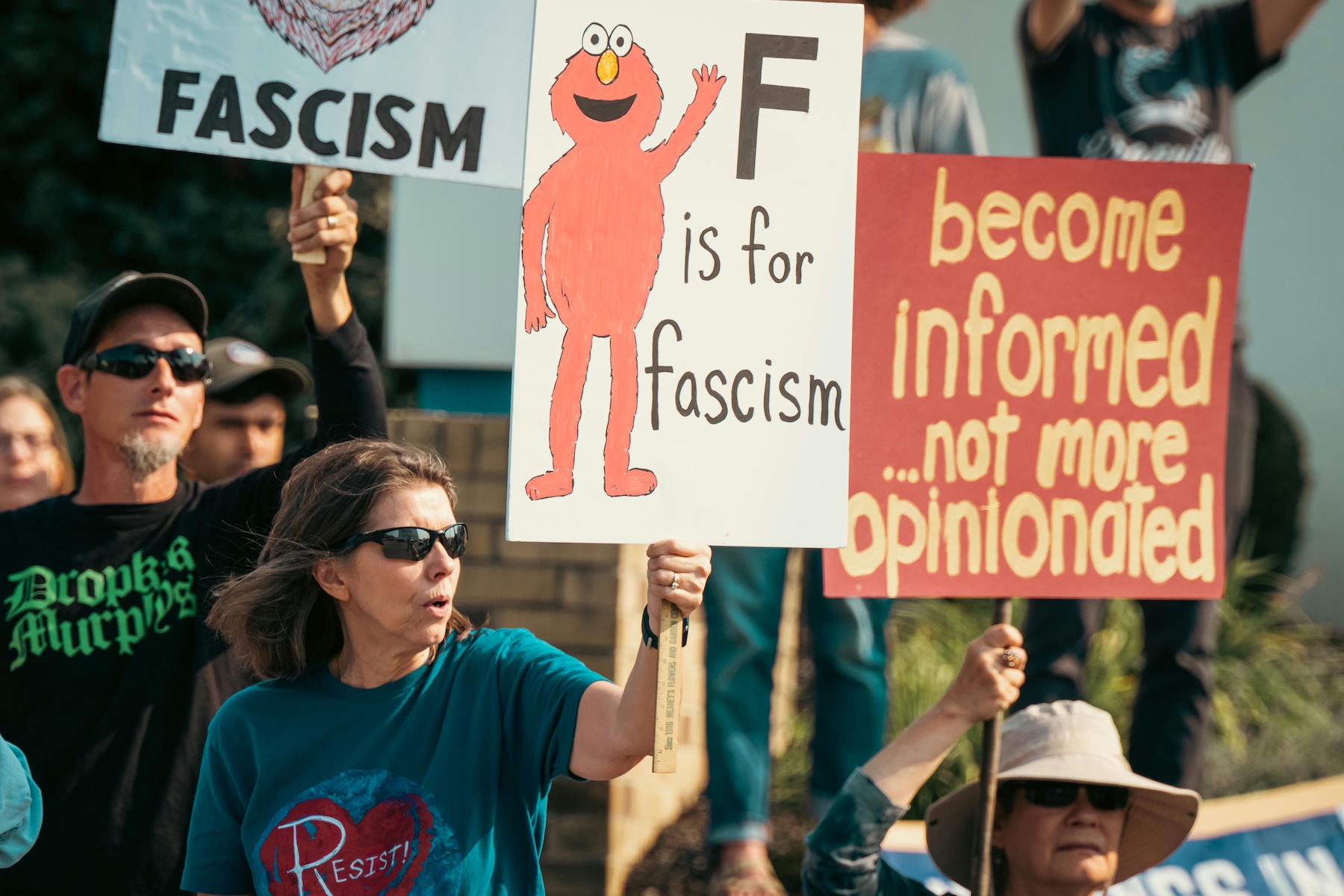
Bad News is a pioneering "serious game" that revolutionized media literacy by shifting the focus from fact-checking to psychological defense.
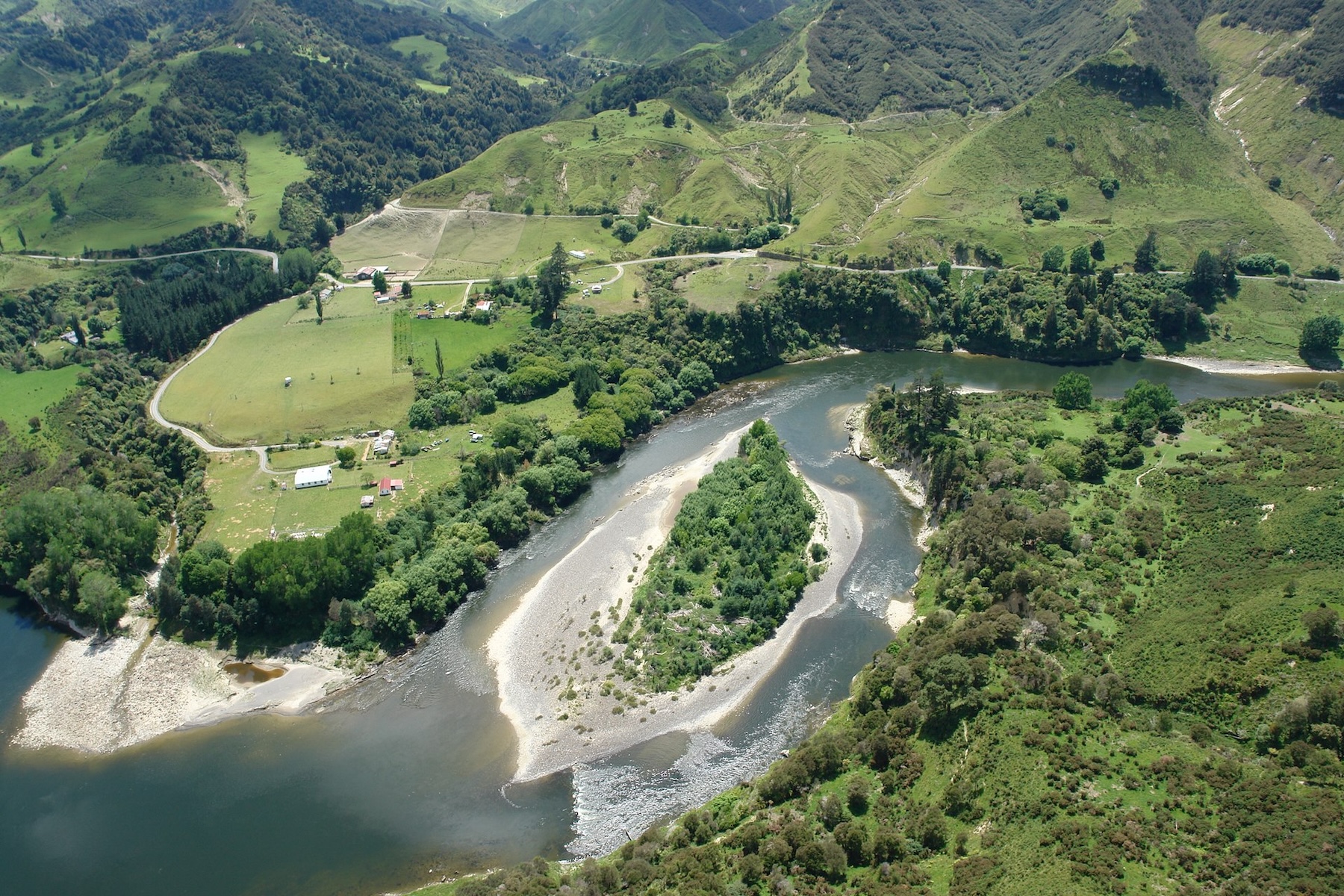
In New Zealand, the Te Awa Tupua framework represents a global legal landmark where the Western judicial system was "re-coded" to reflect an Indigenous worldview.

An Italian community mobilizes to ban chemical pesticides and promote sustainable agriculture, challenging entrenched agricultural norms and legal frameworks.