
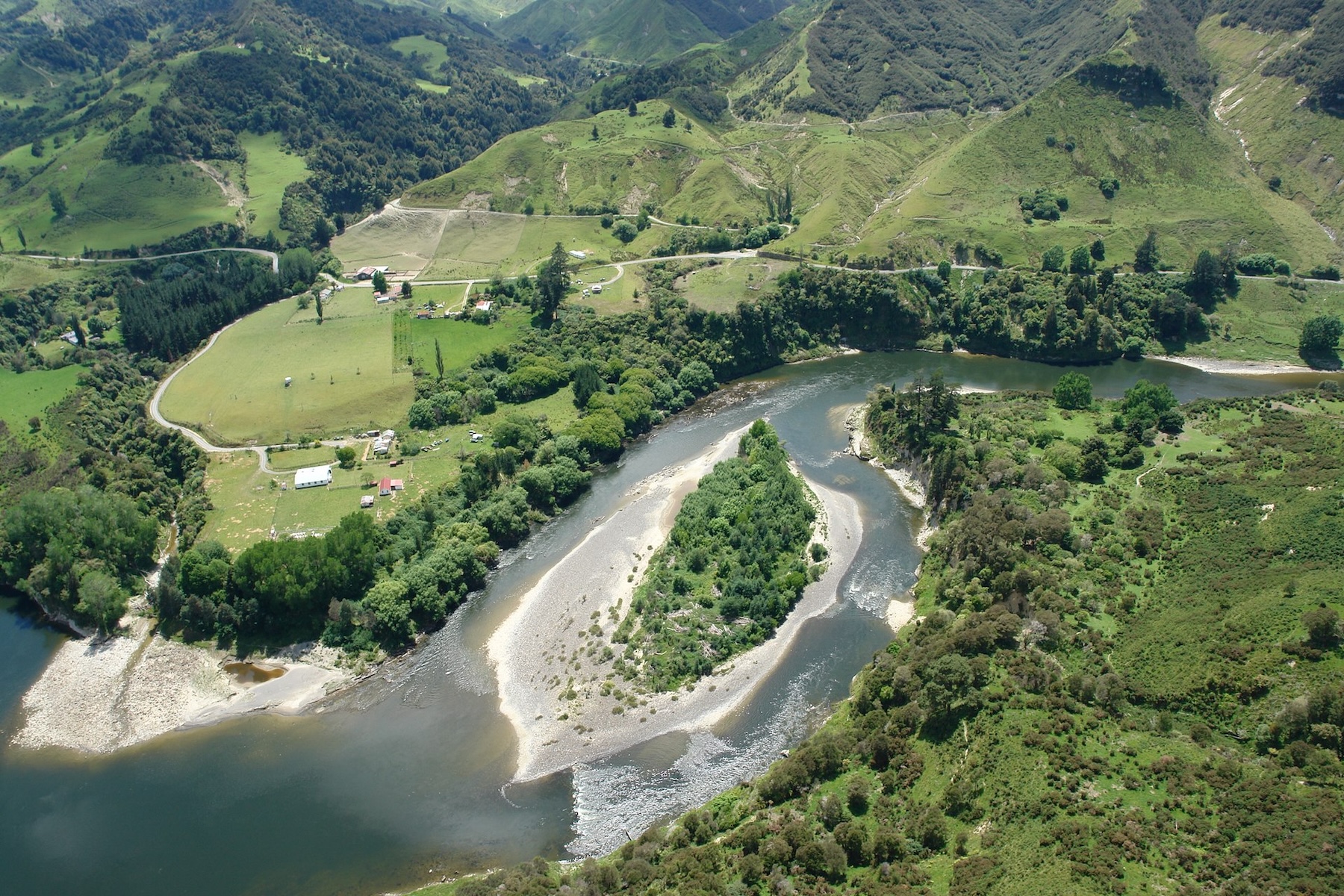
Legal Personhood of the Whanganui River
In New Zealand, the Te Awa Tupua framework represents a global legal landmark where the Western judicial system was "re-coded" to reflect an Indigenous worldview.
Does a farmer’s right to spray their land supersede a citizen’s right to breathe clean air and maintain organic integrity on their own property?
In most agricultural regions, the use of synthetic pesticides is treated as an invisible, technical necessity. But in the South Tyrolean village of Mals, the “invisible” became a public crisis.
Surrounded by the intensive monoculture of the “Big Apple” industry, the people of Mals found themselves at the center of a chemical drift zone. In 2014, they did something unprecedented: they didn’t just protest; they voted to change the rules of the land. While the subsequent decade-long legal battle eventually saw the ban overturned by Italy’s highest court in 2024, the “Miracle of Mals” remains a primary signpost for Food Democracy and the power of local health sovereignty.
South Tyrol is the “Apple Orchard of Europe,” a region where success is measured in billions of apples. However, this intensive model relies on a heavy schedule of chemical spraying.
Mals didn’t just ask for change; they redesigned the local governance framework to make it possible.
The community used a legally binding local referendum. The result was a landslide: 75% of voters demanded a total ban on chemical-synthetic pesticides. This was an act of “Paving”—creating a new legal reality from the ground up.
The movement wasn’t just “activists.” It was led by a diverse coalition:
The municipality’s regulation (2016) was based on the Precautionary Principle: the idea that if a practice carries a risk of “irreversible damage” to public health, the burden of proof for safety lies with the industry, not the victims.
The implementation of the Mals ban was a 10-year “war of attrition” between local will and state authority:
As of today, while the formal ban is no longer legal, the social and market impact is profound:
1. The “Doctor-Citizen” Alliance: If you want to challenge a chemical system, your most powerful allies are local health professionals. Their credibility shifts the debate from “environmentalism” to “public safety.”
2. “Paving” Local Law: Use local referendums and charters to establish a “new normal.” Even if the law is later overturned, the process of voting creates a psychological shift in the community that market forces eventually follow.
3. Monitoring as Activism (Citizen Science): Don’t wait for the government to test the water. By conducting their own soil and air sampling, the Malsers took the “power of proof” away from the industry and put it in the hands of the people.
4. Cultural Framing (The Sunflower Strategy): Avoid polarizing language. The Mals movement succeeded because it framed itself as “For a Pesticide-Free Future” rather than “Against Farmers.” Using positive cultural symbols (sunflowers, traditional food) makes the movement inclusive.
System name
Mals Pesticide Referendum and Agroecology Initiative
Location
Mals (Vinschgau), South Tyrol, Italy
Domain
Agriculture / Public Health / Environmental Governance
System type
Community referendum + local agroecology transition campaign
Scale
Municipality
Year started
2014
In New Zealand, the Te Awa Tupua framework represents a global legal landmark where the Western judicial system was "re-coded" to reflect an Indigenous worldview.
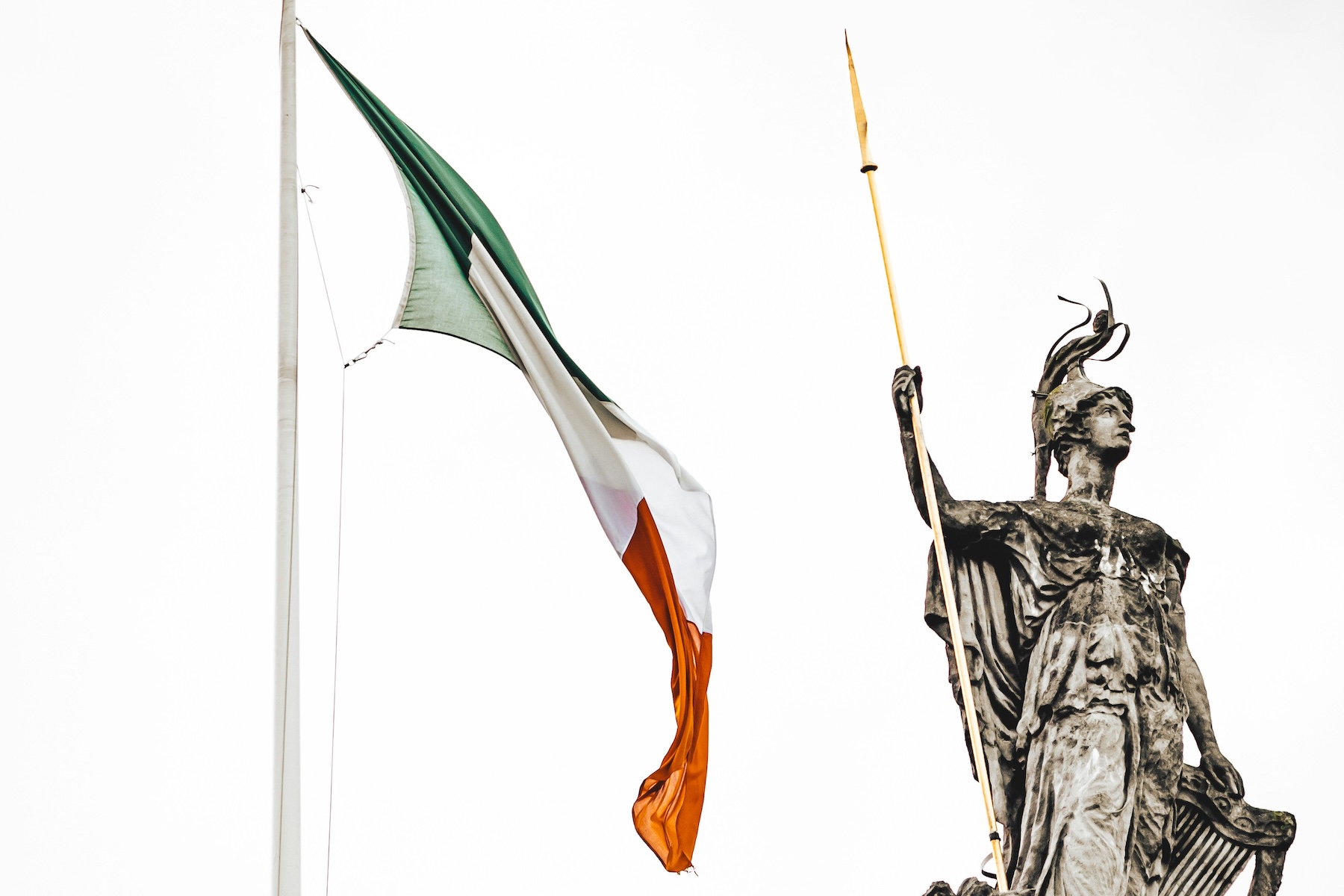
At the Citizens’ Assembly in Ireland, randomly selected citizens deliberate on complex issues and shape national policy recommendations.

A global movement empowering communities to build local resilience in response to climate change, energy descent, and economic instability.
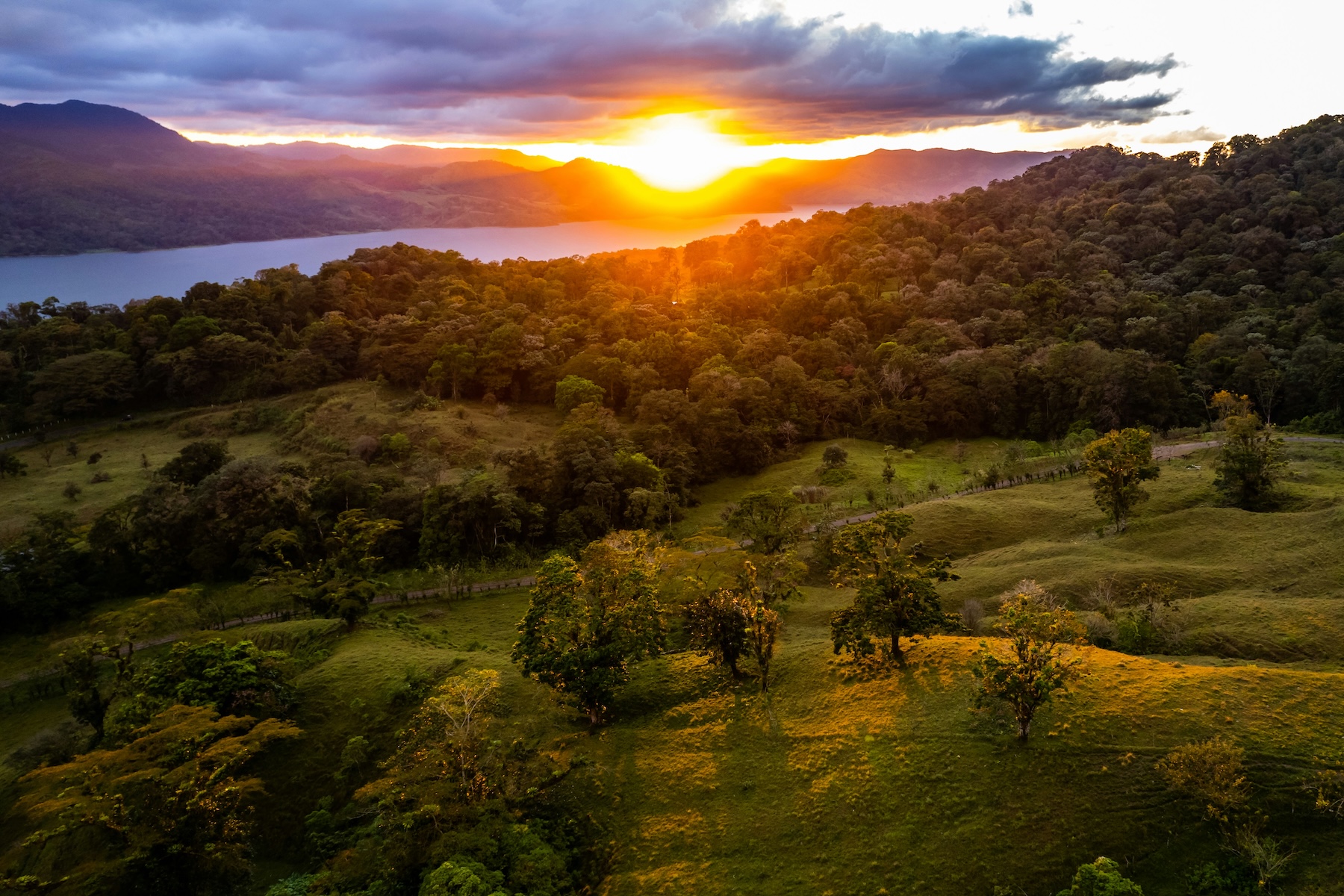
Costa Rica’s Green Energy Matrix is a world-leading example of how a middle-income nation can decouple economic growth from carbon emissions.