
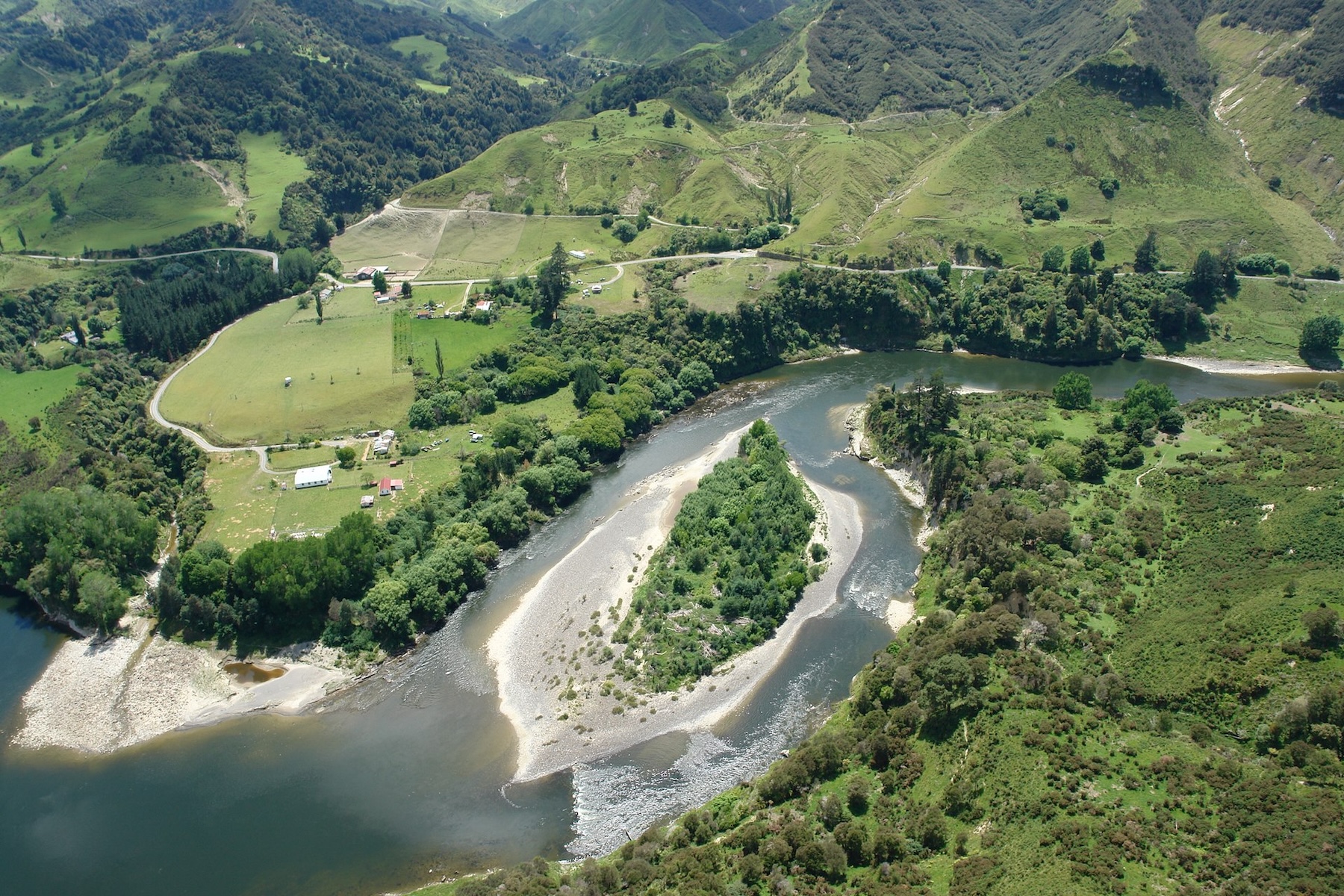
Legal Personhood of the Whanganui River
In New Zealand, the Te Awa Tupua framework represents a global legal landmark where the Western judicial system was "re-coded" to reflect an Indigenous worldview.
Can a developing nation achieve modern prosperity without the carbon footprint of the industrial West?
Over the past few decades, Costa Rica has become the global poster child for this possibility. Often making international headlines for running its entire national electricity grid on 100% renewable energy for months at a time, the country serves as a “living laboratory” for a post-carbon future.
However, the real value of Costa Rica’s story is not found in the “100% renewable” headlines. It lies in the coordinated system design—the alignment of policy, public infrastructure, and a deeply ingrained national culture of conservation. Costa Rica demonstrates that sustainability is not just a technological achievement; it is a governance and institutional achievement.
In the mid-20th century, Costa Rica faced structural challenges common to many developing nations:
Import Vulnerability: Lacking domestic oil or gas reserves, the country was at the mercy of volatile global oil prices, which drained foreign exchange reserves and destabilized the economy.
Rapidly Growing Demand: As the country modernized, the demand for electricity spiked, threatening to outpace existing infrastructure.
The Conservation Conflict: Costa Rica’s economy is uniquely dependent on its “Green Brand.” Tourism and high-value agriculture rely on the protection of its massive biodiversity.
The central challenge was: How can a nation build a reliable, high-growth energy system without locking itself into a fossil-fuel infrastructure that would eventually destroy its primary economic asset—nature?
Costa Rica’s success is not the result of a single “silver bullet” technology. Instead, it is a diversified system design built on three specific pillars:
Costa Rica avoids the “intermittency trap” by layering different types of renewable energy:
Hydropower (The Backbone): Large-scale reservoirs provide the majority of the power and, crucially, act as a “battery” to store energy for when it is needed.
Geothermal (The Baseload): Leveraging its volcanic geography, Costa Rica uses geothermal plants to provide a constant, 24/7 supply of power that does not depend on the weather.
Wind and Solar (The Flex): These sources are integrated to provide extra capacity during peak times, allowing the reservoirs to “rest” and refill.
The Instituto Costarricense de Electricidad (ICE) is the state-owned utility that manages the grid. Unlike private utilities driven by quarterly profits, ICE can engage in generational planning.
Integrated Management: Because one entity oversees the entire “Energy Matrix,” they can balance the different sources in real-time to maximize efficiency and minimize costs.
Social Mandate: Public ownership ensures that electricity access is treated as a right; Costa Rica boasts a 99.4% electrification rate, one of the highest in the Americas.
Costa Rica embedded sustainability into its national identity early. In the 1990s, while other nations were expanding coal, Costa Rica was passing laws to protect its watersheds (essential for hydro) and incentivizing reforestation. This created a virtuous cycle where environmental health and energy security became mutually reinforcing.
The transition was not an “overnight” success; it was an evolutionary process:
1970s–80s: Prioritization of large-scale hydropower projects to establish energy independence.
1990s: Expansion into geothermal energy to reduce the risk of droughts affecting hydropower.
2010s: Integration of smart-grid technology and wind farms to add flexibility.
2018–2026: Launch of the National Decarbonization Plan, which shifted the focus from “Clean Electricity” to “Clean Transport.”
The system was designed to handle the “dry season” (Verano) by using geothermal and stored hydro, while using the “wet season” to maximize run-of-river power and replenish reservoirs.
The results of this long-term commitment are world-class:
Carbon Intensity: Costa Rica’s electricity generation is consistently ~98–100% renewable.
Emissions Profile: Per capita emissions remain low (~1.6 t CO₂), significantly lower than regional neighbors with similar GDPs.
The “Green Premium”: Its status as a clean-energy leader has attracted high-tech foreign investment (such as Intel and medical device manufacturers) looking to meet their own corporate ESG goals.
Most importantly, it has proven that reliability is possible with renewables. The Costa Rican grid is stable, scalable, and resilient to the price shocks of the global oil market.
Despite its success, Costa Rica’s model reveals the “blind spots” of an energy-only transition:
The Transport Bottleneck: While the grid is clean, the roads are not. Over 70% of Costa Rica’s total energy consumption still comes from oil—primarily for cars and trucks. Clean electricity does not solve the problem of car-centric urban design.
Climate Vulnerability: Reliance on hydropower is a risk in a warming world. Extreme droughts (El Niño years) can lower reservoir levels, forcing the country to briefly turn on “thermal backup” (diesel plants) to keep the lights on.
Social Inertia: Moving from clean energy to a clean lifestyle requires massive behavioral changes. Encouraging citizens to ditch private cars for electric trains or buses is proving much harder than building a dam.
Costa Rica is a living rebuttal to the argument that a country must “pollute its way to prosperity.” It shows that:
Governance > Geography: While volcanoes and rain help, many countries with similar resources have not achieved these results. It is the institutions (like ICE) and the long-term planning that make the difference.
The Future is “Sector Coupling”: The next frontier isn’t more solar panels; it’s connecting that solar power to the transport and industrial sectors.
Diversify for Resilience: Don’t rely on a single renewable source; mix variable (wind/solar) with stable (geothermal/hydro) sources.
Institutional Memory: Long-term transitions require public bodies that can think in decades, not election cycles.
Ecology as Infrastructure: Protecting forests is not just “green”; it’s a way to protect the water supply that powers the country.
MINAE (Ministry of Environment and Energy): The archive for the National Decarbonization Plan 2018–2050, which is widely considered one of the world’s most detailed roadmaps for a net-zero economy.
Climate Action Tracker: Costa Rica: An independent scientific analysis of whether Costa Rica’s policies are “Paris Agreement” compatible (currently rated as “Almost Sufficient”).
OECD Economic Surveys: Costa Rica 2025: A recent, critical look at the economic resilience of the green transition, with a focus on the rapid scaling of the EV fleet.
ICE (Instituto Costarricense de Electricidad) Annual Reports: For technical data on grid management, storage capacity, and the daily “Energy Matrix” breakdown.
System name
Low-Carbon Energy Transition
Location
Costa Rica
Domain
Energy / Sustainability / Climate
System type
National renewable energy system (diversified + publicly coordinated)
Scale
National
Year started
1970s, accelerated in the 1990s–2000s
In New Zealand, the Te Awa Tupua framework represents a global legal landmark where the Western judicial system was "re-coded" to reflect an Indigenous worldview.

An Italian community mobilizes to ban chemical pesticides and promote sustainable agriculture, challenging entrenched agricultural norms and legal frameworks.
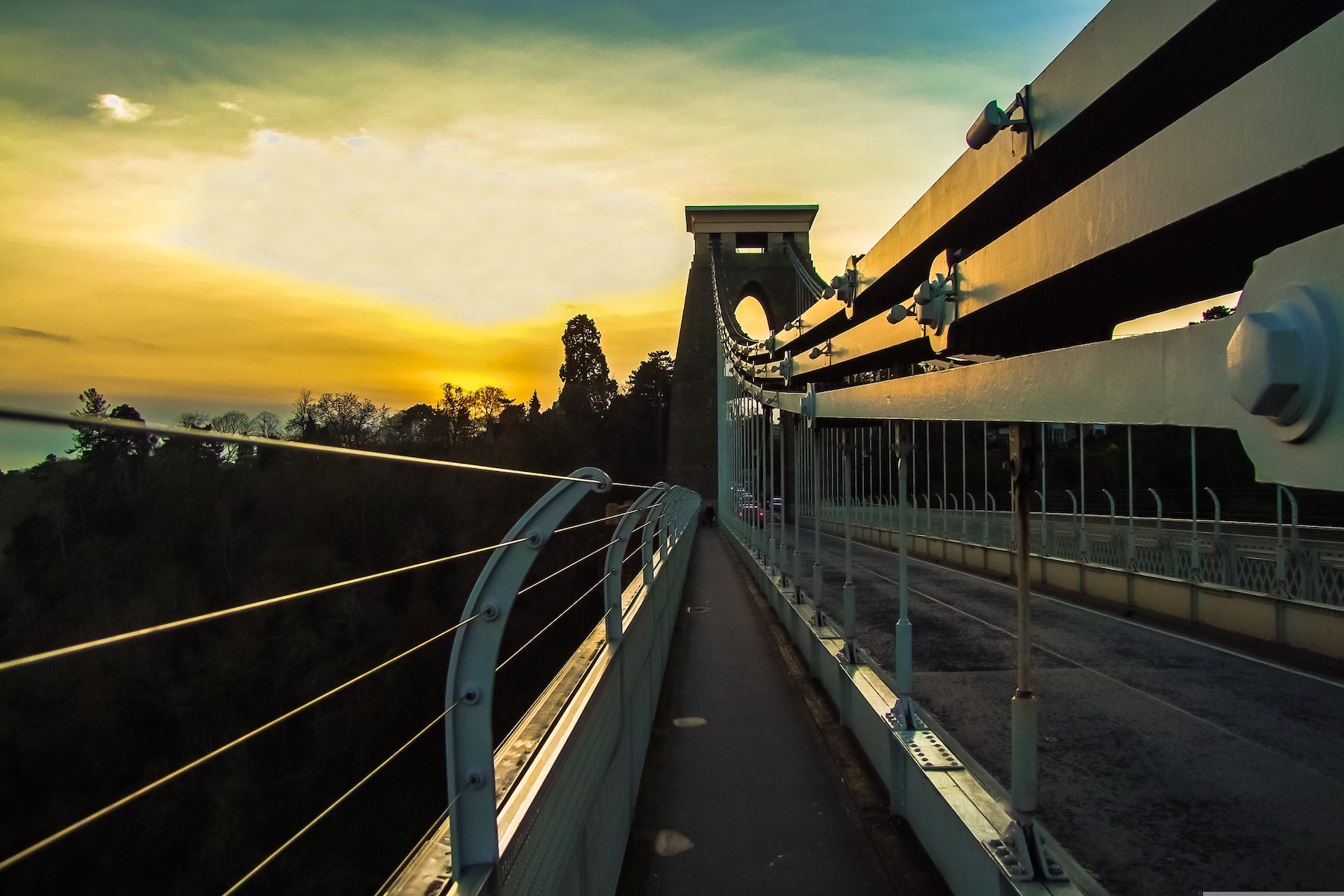
A global movement empowering communities to build local resilience in response to climate change, energy descent, and economic instability.
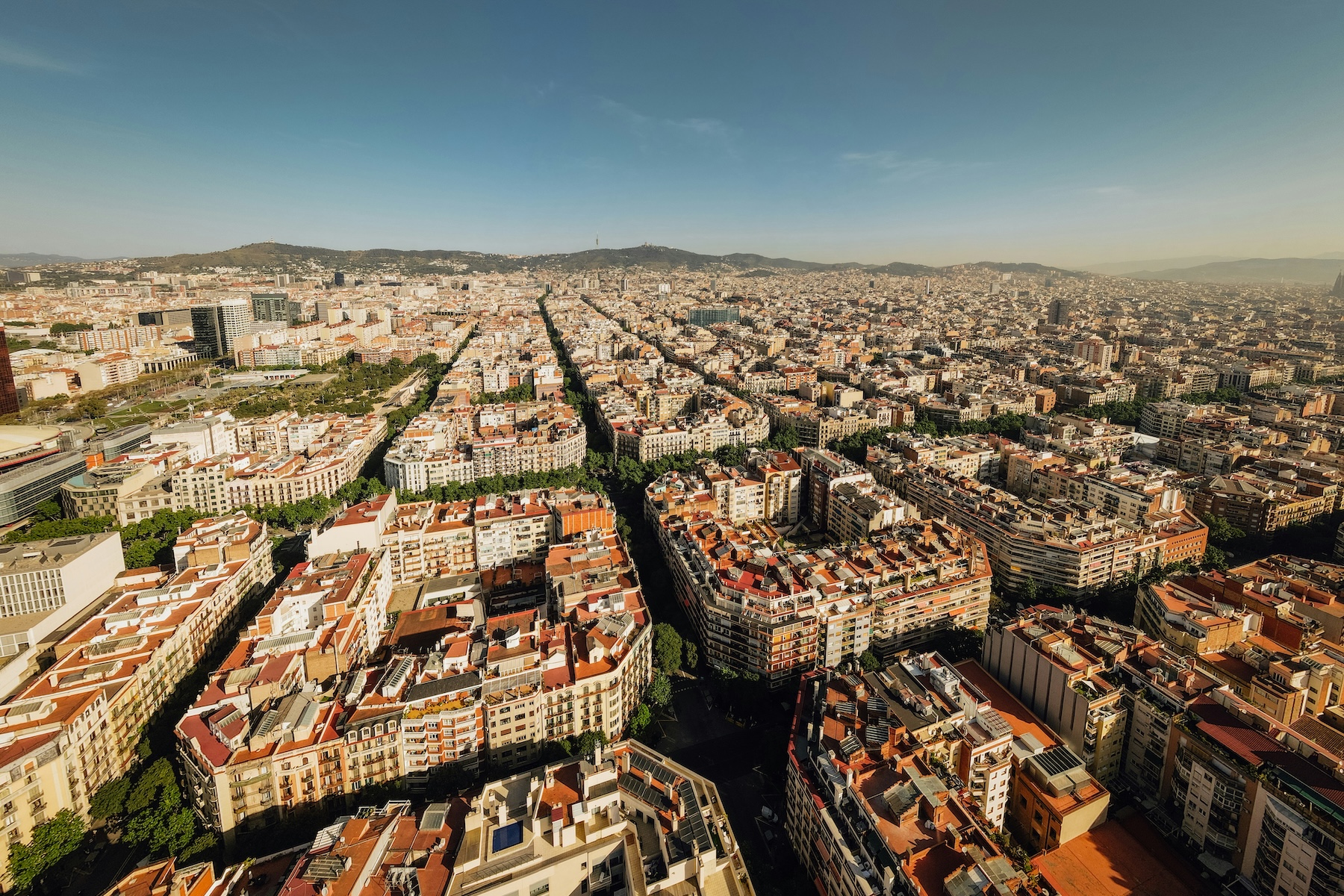
Barcelona reorganized neighborhoods into “superblocks” where through-traffic is removed and streets become public space.