
Activating the Civic Immune System
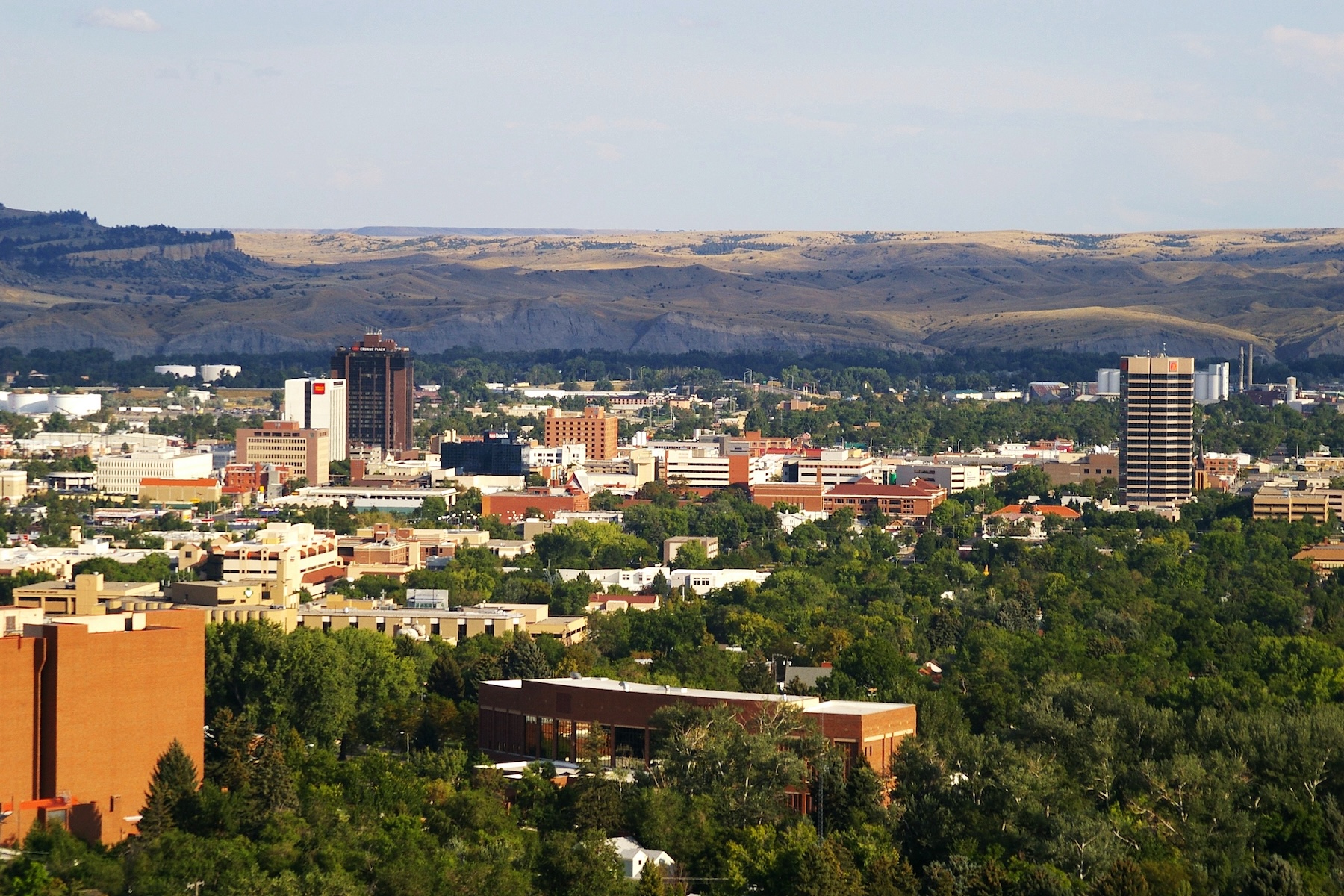
When hate moved into Billings, Montana, the citizens didn't wait for the authorities to fix it—they turned their entire town into a shield.
What if the most effective response to global crises—from climate change to supply chain fragility—didn’t come from international treaties or corporate boardrooms, but from your own neighborhood?
This is the central premise of the Transition Movement. What began in a single English market town has grown into a global network of thousands of communities experimenting with how to live well in a world of declining fossil fuel availability and increasing climatic instability. It is not a fixed ideology, but a framework for collective experimentation, designed to unleash the “collective genius” of local people.
Modern civilization is built on a foundation of extreme efficiency and global integration. While this has brought unprecedented material wealth, the Transition movement identifies a critical flaw: Modern communities are highly efficient, but dangerously brittle.
The movement emerged as a response to three interconnected “wicked problems”:
When systems are optimized solely for cost and speed, they lose redundancy and adaptability. Most modern towns have only a few days’ worth of food in stock at any time, and very few residents possess the “forgotten skills” required for local production.
Transition Towns didn’t propose a top-down, one-size-fits-all solution. Instead, it introduced a social technology—a process by which a community can redesign itself from the inside out.
The goal of Transition is to “re-localize” essential systems. This doesn’t mean isolationism; it means shortening the distance between where a product is made and where it is consumed.
Unlike traditional NGOs, Transition initiatives are designed to be “invitational.” They use an open-source framework where anyone can start a group. This lowers the barrier to entry and ensures that projects are rooted in the specific culture and geography of the place.
One of the most significant innovations is the EDAP. This is a community-authored document—a “roadmap” for how a town will look, eat, and move in 20 years with significantly less energy. It turns a scary concept (energy reduction) into a creative visioning exercise.
Most environmental movements rely on “doom and gloom.” Transition intentionally flips the script. It focuses on creativity, psychological well-being, and social connection. The “Inner Transition” part of the movement acknowledges that for a community to change its physical infrastructure, the people must first change their mindsets and build emotional resilience.
The movement officially launched in Totnes, Devon (UK) in 2006, led by permaculture teacher Rob Hopkins. It didn’t start with a protest; it started with a “Great Unleashing”—a massive community party where the town’s residents were invited to imagine a better future.
The Transition Network has matured into a significant global player in the “localized climate action” space.
There are now over 1,000 “Official” Transition Initiatives across 50 countries, and thousands more “mulling” groups. From Transition Town Kingston in London to initiatives in Brazil, Japan, and the United States, the model has proven highly adaptable to different cultural contexts.
Perhaps the greatest impact is social cohesion. In an era of loneliness, Transition provides a sense of purpose and belonging. Participants report higher levels of “subjective well-being” and a greater sense of agency in the face of the climate crisis.
Transition is not without its hurdles:
The Transition movement matters because it offers a functional alternative to despair. It challenges the assumption that we are merely “consumers” waiting for the government to save us. Instead, it invites us to become “participants” in our own survival.
It shifts the focus from “What can I do as an individual?” to “What can we do as a community?” By building local resilience, communities create a buffer against global shocks—whether those shocks are economic, viral, or climatic.
System name
Transition Towns
Location
Origin: Totnes → now global
Domain
Community resilience / Local economy / Energy / Food
System type
Grassroots movement / networked local initiatives
Scale
Local → Global
Year started
2006
When hate moved into Billings, Montana, the citizens didn't wait for the authorities to fix it—they turned their entire town into a shield.
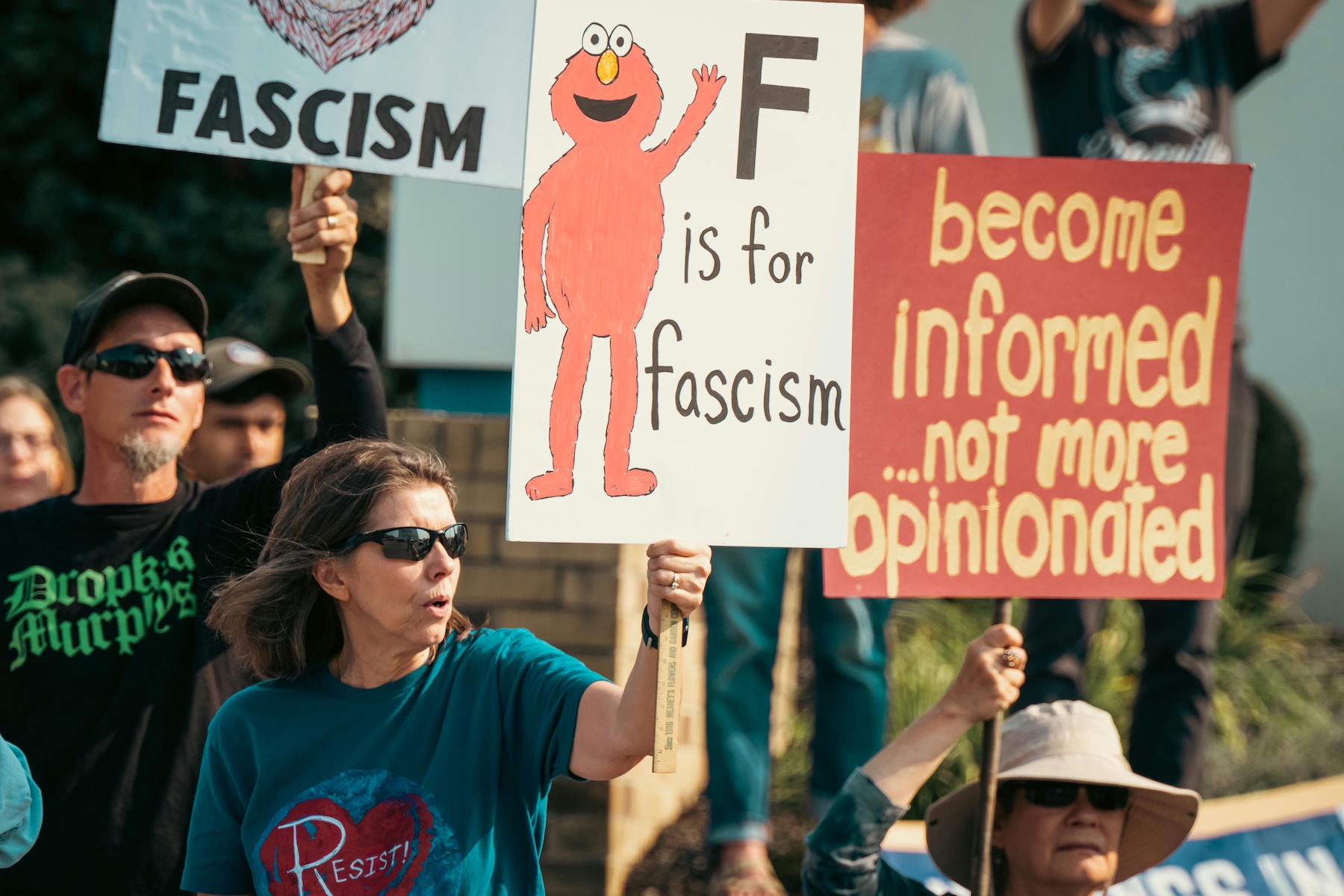
Bad News is a pioneering "serious game" that revolutionized media literacy by shifting the focus from fact-checking to psychological defense.
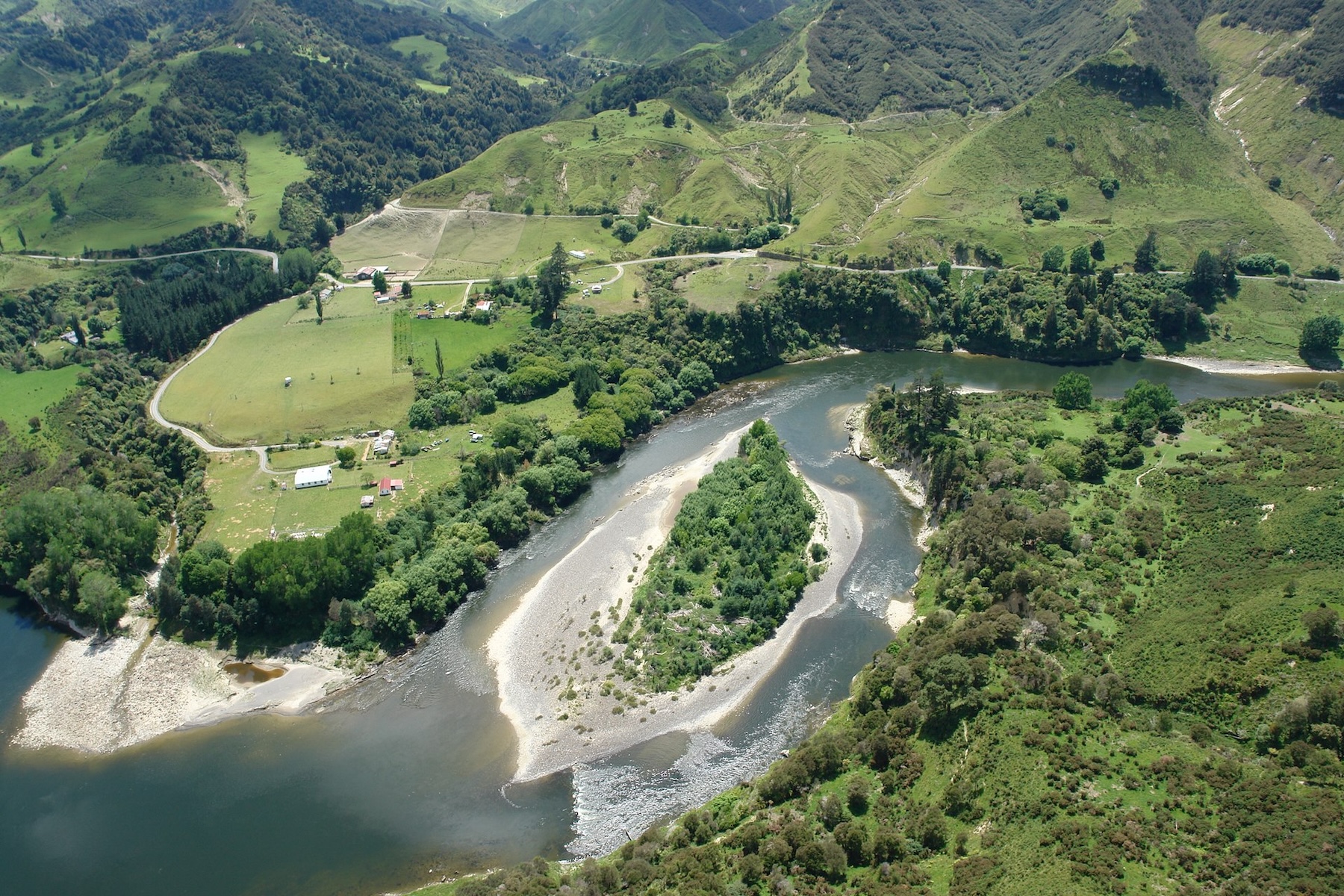
In New Zealand, the Te Awa Tupua framework represents a global legal landmark where the Western judicial system was "re-coded" to reflect an Indigenous worldview.

An Italian community mobilizes to ban chemical pesticides and promote sustainable agriculture, challenging entrenched agricultural norms and legal frameworks.